

Pregnancy life

Pregnancy life

Parenting life

Parenting life

Baby Image

In Baby Billy app You can see more contents!

First trimester Content | Baby Billy

📖 Most viewed content

Content Image

Foods to avoid during pregnancy

You're eating not only for yourself but also for the baby. When you're pregnant, you should always stay alert and avoid all items that could potentially make you sick or badly affect your baby's health condition.Why should you avoid certain foods during pregnancy?Some foods are a shelter of bacteria like E.coli.🦠 Meanwhile, pregnancy also diminishes your immune system, leaving you vulnerable to all ailments like flu or common cold.🥶 You are more likely to get sick or suffer from complications such as miscarriage or premature delivery if you have foodborne illness.😟 The disease which crosses the placenta will harmfully affect your baby, developing severe birth defects or serious infections.😔 Foods to avoid during pregnancy🐟High mercury fishFish is loaded with brain-boosting nutrients and omega-3.🐟 However, some fish contain a dangerous level of mercury that is detrimental to your baby's developing nervous system.🧠 The bigger and older the fish, the more mercury it carries. Avoid shark🦈, swordfish, king mackerel, tilefish, and bigeye tuna. Limit white albacore to 6 ounces a week. Fish such as salmone, anchovies, cod, catfish, shrimp, trout, or sardines can be eaten up to 8 to 12 ounces per week. 🥩Raw, undercooked foodRefrain from blood-red meat🥩 because they can harbor bacteria causing food poisoning such as E.coli or Salmonella. Uncooked fish in sashimi🍣, raw oysters should also be off-limits because the danger of ingesting bacteria or parasites is too high. Dishes having undercooked eggs🥚 are so prevalent such as soft scrambled eggs, homemade mousse, raw batter or cookie dough, mayonnaise. Pregnant moms🤰 who consume these rampant raw and undercooked eggs are prone to Salmonella infection.☕Too much caffeineCaffeine wakes you up when you're tired. However, too much caffeine can interfere with the ability to absorb iron, leading to anemia.☕ It is time to switch to decaf ones. You should consume no more than 200 milligrams of caffeine a day. Any caffeine sources such as chocolate🍫, black or green tea, energy bars and coffee-flavored desserts, ice cream🍨, yogurts should also be controllably devoured to ensure the 200 milligram limit. 🥛Unpasteurized dairy and juicesDairies such as skim milk🥛 and cheese🧀 can be a healthy part of your pregnancy diet. However, anything containing unpasteurized milk is a big no-no since they might have Listeria and other pathogens. Check your products' label before making a purchase.🐄 🍷AlcoholAlcohol is extremely harmful to your health during pregnancy so avoid it at all cost.🍷 The concentration of alcohol that goes into your bloodstream is also the same as that enters your baby, resulting in fetal alcohol syndrome, which can cause facial deformities and intellectual disability.☠️ Toast happy events with healthy fruity juices! If you're concerned about alcohol that you drank before you knew you were pregnant, please consult your worries with doctors.👩‍⚕️ 

Content Image

Best food to eat during pregnancy

Are you worried that you're not hitting the healthy pregnancy diet mark? Don't worry, you can always look up to this information and prepare all vitamins and minerals that both you and your baby need.Essential nutrients for you and your baby💊Folic acidGetting at least 600 micrograms per day during pregnancy is important. Folic acid reduces the risk of neural tube defects, serious abnormalities of the brain and spinal cord.🧠💊IronIron plays an important role in hemoglobin formation🩸, a protein in the red blood cells that carries oxygen to your tissues. Your body needs iron to make more blood to supply oxygen for the baby.👶💊CalciumCalcium makes bones and teeth strong.🦷 It also helps your circulatory, muscular and nervous systems function normally.🧠 You should aim for 1000 milligrams a day.💊Vitamin DVitamin D assists calcium to do its job and your immune system to stay healthy. You should take 600 IU a day.😃💊DHAAn omega-3- fatty acid called DHA is vital in your baby's brain and retinal👁️ development. It helps absorb fat soluble vitamins and reduce symptoms associated with prenatal depression. You need 200-300 milligrams per day.👁️💊IodineIodine, available in salt, promotes your baby's brain and nervous system development.👁️ You should get 290 micrograms per day.🧂Examples of recommended pregnancy diet🥩Lean meatHigh protein lean meat🥩 provides you energy throughout the day and stabilizes your blood sugar. In addition to being protein-packed, it's also rich in iron, developing red blood🩸 cell supply for both you and your baby.🥜LentilsLentils are a great alternative source of protein that deserves a good place on your plate.🥜 Not only are they rich in vitamin B folate, they are also high in fiber which protects your digestive system and prevents pregnancy-related constipation.🚽   🐟SalmonFatty fish are one of the best foods to eat during pregnancy.🐟 Since your body cannot produce omega-3, salmon are packed with DHA omega-3s and iodine, making it a safe seafood choice for pregnancy.🤰🥑AvocadoThis creamy green fruit has a high amount of folate, along with vitamin B6 which also alleviates morning sickness. It's a healthy source of monounsaturated fats so your body can absorb vitamins in veggies and fruits better.🥑 🥬KaleKale is a potent pregnancy, all in one package of food.🥬 It serves lots of nutrients that you need, including folate, iron, vitamin C, calcium, vitamin A, vitamin E, vitamin K and fiber.😄   
Content Image

Morning sickness and nausea during pregnancy

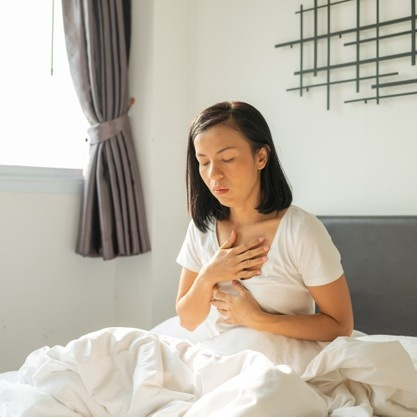
Congratulations! Finally you're sailing along on your pregnancy adventure. Are you feeling any seasickness along the way? That's probably because you are experiencing morning sickness which definitely does not occur in just mornings. Morning sickness🤢What is morning sickness?It describes the nausea and vomiting that happen when you are pregnant.🤰 Depending on how sensitive you are to smells and odors, you may have strong aversions to certain smells or foods that are so powerful that you feel sick to your stomach.👃Morning sickness does not necessarily mean it only happens in the morning. In fact, you can suffer the symptoms any time of the day or night.☀️🌃🤢When does morning sickness start?It typically starts around week 6 until the middle of month 2. It is truly the first sign you'll notice after your hCG hormone levels overcome the threshold to produce a positive pregnancy test result.🤰  🤢How long does morning sickness last?  Nausea and vomiting diminish between weeks 12 and 16, but they are at their peaks form weeks 10 to 16. It is possible that you continue experiencing these symptoms when you enter the second trimester or even throughout pregnancy.🤮 Morning sickness causes🤢Hormone levelshCG hormone level is at its peak when morning sickness is worst. Increased levels of estrogen and progesterone relax the muscles of the digestive tract and make it difficult for you to digest food.📈🤢A sensitive brainIf you are already hypersensitive to car sick🚗 or seasick🌊 compared to others, you are subjected to morning sickness. A family history of migraine also makes you prone to morning sickness. 🤢StressEmotional stress such as anger😠, depression😫 can upset the gastrointestinal tract. No wonder when you're under stress, you experience morning sickness more often.🤢FatigueIf you have morning sickness, fatigue can make the nausea worse. On the other hand, morning sickness can increase fatigue.🥴🤢First time pregnancyIf this is the first time you're pregnant, the symptoms might appear more severely and decrease when you're pregnant again.🙋 Your body is less prepared for the sudden surge of hormone levels, making you feel more anxious and resulting in stomach upset.  Morning sickness remedies🤢Stay away from offensive smellsBecause your sense of smells is so keen, some scents may be offensive and sickening despite them being familiar. Stay away from smells that make you feel nauseous. Open windows so the air inside your room can be well ventilated.🍲🤢Wear Sea-Band wristlets  They are clinically proven to be effective to protect you from severe morning sickness. These 1-inch-wide bands are anti nausea acupressure wristbands that put pressure on an acupressure point and naturally relieve the symptoms.😃🤢Rest wellMeditation, visualization or any methods that help you stay calm can help minimize queasiness. Relax your body and take it easy since rushing only makes your pregnancy experiences worse.😶‍🌫️😌 

Content Image

Miscarriage rates by week

The experience of miscarriage is physically and mentally painful that no words can describe. Miscarriage often occurs in the first trimester of pregnancy when the fetus isn't heathily developing and happens less often after that. Miscarriage🤰What is a miscarriage?Miscarriage is the spontaneous loss of pregnancy before the 20th week.🤰 It typically happens during the first three months of the first trimester.📅 Miscarriage can take place for a variety of medical reasons, some of them are unpredictable and out of control. It is very common but that doesn't make the entire experience easier.😭🤰Miscarriage signsDepending on your stage of pregnancy and health condition, the symptoms may vary. Sometimes it happens so fast that you can't detect the signals.😥  Some of the symptoms of a miscarriage are heavy spotting, vaginal bleeding🩸, discharge of tissue or fluid from your vagina, severe abdominal pain, or back pain. If you experience any of these, please call your doctor immediately as soon as possible to prevent miscarriage.👩‍⚕️ Miscarriage causes🤰Chromosome problemsChromosomes are blocks of DNA.🧬 They are the keys to control a wide range of factors, from the baby's hair color to the baby's formation.👶 Any problems happening during cell division or at the point of conception, leading to the fetus receiving repeated or not enough chromosomes can result in miscarriage.😥 The exact cause of chromosomal abnormalities is unknown. The phenomenon is known to occur more frequently in women at advanced maternal age, or greater than 35 years old.👩👵 🤰Maternal health conditions  Uterus or cervix infections can be detrimental to a developing baby. If the uterus cavity has any defects, it can't support a healthy pregnancy.🤰   Underlying health conditions and bad lifestyle habits also impair successful pregnancy rate. Malnutrition, drug abuse, hormone issues, or obesity, for instance, can all interfere with fetus development.😟Miscarriage rate by week 🤰Week 0 to 6These early weeks have the highest potential of miscarriage. You can experience it without realizing you're pregnant.😟 The later you conceive your baby, the more dangerous the risks are. 🤰Week 6 to 12When your baby makes it to 6 weeks and has confirmed viability with a heartbeat, the rate of miscarriage drops to 10 percent. The miscarriage rate decreases as the gestinational age increases.😃🤰Week 13 to 20By week 12, the risk of miscarriage drops to 5 percents. However, you shouldn't be ignorant as complications can arise at any point.⚠️    

Content Image

Early pregnancy symptoms

Have you been actively trying to conceive? Because very early signs of pregnancy symptoms are similar to premenstrual syndrome, the most accurate way to know that you have a baby on board is to take pregnancy tests. However, these symptoms can still provide credible clues.Early signs of pregnancy before a missed period🤰Basal body temperatureAn elevated basal body temperature🌡️ by 1 degree when you check your first morning temperature can be a good indicator of the big news. The temperature may rise and stay the same during pregnancy, but it's not likely to be a huge increase.😃 🤰Smell sensitivitySmells of your favorite food or previously mild odors👃 that once made you pleasant become unappealing and distasteful. You might want to throw up immediately if the situation is severe.🤮 This is a very common symptom of pregnancy indicating good news.🤰Breast changesTender, swollen breasts followed up with darkening and bumpy areolas🧐 are signs of breast changes that make you feel itchy and be in pain. Tiny bumps growing in size and quantity appearing on your areolas are preparing to produce oils that lubricate your nipples. 🤰FatigueSince all of your energy goes into building a placenta at the early stage of pregnancy, you tend to get hungry more easily. Pregnancy fatigue occurs shortly after you conceive.🥘Other signs of pregnancy including missed periods 🤰 Missed periodsIf you have regular periods🩸, this can be a good sign that all expectant moms experience. Missed periods are very common when you suspect pregnancy.😃🤰Implantation bleedingLight spotting or implantation bleeding can be an early pregnancy signal that an embryo has deposited itself into the uterine wall. Unlike the usual red color of periods🩸, implantation bleeding is usually medium pink or light brown, lasting for a few hours to a few days in discontinuity.📅🤰Changes in cervical mucusIf your cervical mucus becomes creamy and remains the same after ovulation, it's likely that you'll have a positive pregnancy test result.😃 Increased amount of thin, milky-white vaginal discharge post ovulation is normal and healthy. If it gets thicker and lumpy, you need to have a checkup with your practitioner or doctors.👩‍⚕️ 🤰Incessant urinationAfter conception for two or three weeks, you constantly want to pee.🚽 Due to the hormone hCG, your kidney receives more blood, aiding the solid and liquid waste disposal process from the body.  Your growing uterus is putting more pressure on your bladder, leaving less space for urine and increasing the need to pee.🚻 🤰Mood swingsBlame your hormonal changes all you want for the sudden mood swings you may be experiencing.😃🥴☹️ Your life is going through a major change, so it's completely normal for your moods to fluctuate. 

👉 First trimester content list

Content Image

Foods to avoid during pregnancy

You're eating not only for yourself but also for the baby. When you're pregnant, you should always stay alert and avoid all items that could potentially make you sick or badly affect your baby's health condition.Why should you avoid certain foods during pregnancy?Some foods are a shelter of bacteria like E.coli.🦠 Meanwhile, pregnancy also diminishes your immune system, leaving you vulnerable to all ailments like flu or common cold.🥶 You are more likely to get sick or suffer from complications such as miscarriage or premature delivery if you have foodborne illness.😟 The disease which crosses the placenta will harmfully affect your baby, developing severe birth defects or serious infections.😔 Foods to avoid during pregnancy🐟High mercury fishFish is loaded with brain-boosting nutrients and omega-3.🐟 However, some fish contain a dangerous level of mercury that is detrimental to your baby's developing nervous system.🧠 The bigger and older the fish, the more mercury it carries. Avoid shark🦈, swordfish, king mackerel, tilefish, and bigeye tuna. Limit white albacore to 6 ounces a week. Fish such as salmone, anchovies, cod, catfish, shrimp, trout, or sardines can be eaten up to 8 to 12 ounces per week. 🥩Raw, undercooked foodRefrain from blood-red meat🥩 because they can harbor bacteria causing food poisoning such as E.coli or Salmonella. Uncooked fish in sashimi🍣, raw oysters should also be off-limits because the danger of ingesting bacteria or parasites is too high. Dishes having undercooked eggs🥚 are so prevalent such as soft scrambled eggs, homemade mousse, raw batter or cookie dough, mayonnaise. Pregnant moms🤰 who consume these rampant raw and undercooked eggs are prone to Salmonella infection.☕Too much caffeineCaffeine wakes you up when you're tired. However, too much caffeine can interfere with the ability to absorb iron, leading to anemia.☕ It is time to switch to decaf ones. You should consume no more than 200 milligrams of caffeine a day. Any caffeine sources such as chocolate🍫, black or green tea, energy bars and coffee-flavored desserts, ice cream🍨, yogurts should also be controllably devoured to ensure the 200 milligram limit. 🥛Unpasteurized dairy and juicesDairies such as skim milk🥛 and cheese🧀 can be a healthy part of your pregnancy diet. However, anything containing unpasteurized milk is a big no-no since they might have Listeria and other pathogens. Check your products' label before making a purchase.🐄 🍷AlcoholAlcohol is extremely harmful to your health during pregnancy so avoid it at all cost.🍷 The concentration of alcohol that goes into your bloodstream is also the same as that enters your baby, resulting in fetal alcohol syndrome, which can cause facial deformities and intellectual disability.☠️ Toast happy events with healthy fruity juices! If you're concerned about alcohol that you drank before you knew you were pregnant, please consult your worries with doctors.👩‍⚕️ 

Content Image

Miscarriage rates by week

The experience of miscarriage is physically and mentally painful that no words can describe. Miscarriage often occurs in the first trimester of pregnancy when the fetus isn't heathily developing and happens less often after that. Miscarriage🤰What is a miscarriage?Miscarriage is the spontaneous loss of pregnancy before the 20th week.🤰 It typically happens during the first three months of the first trimester.📅 Miscarriage can take place for a variety of medical reasons, some of them are unpredictable and out of control. It is very common but that doesn't make the entire experience easier.😭🤰Miscarriage signsDepending on your stage of pregnancy and health condition, the symptoms may vary. Sometimes it happens so fast that you can't detect the signals.😥  Some of the symptoms of a miscarriage are heavy spotting, vaginal bleeding🩸, discharge of tissue or fluid from your vagina, severe abdominal pain, or back pain. If you experience any of these, please call your doctor immediately as soon as possible to prevent miscarriage.👩‍⚕️ Miscarriage causes🤰Chromosome problemsChromosomes are blocks of DNA.🧬 They are the keys to control a wide range of factors, from the baby's hair color to the baby's formation.👶 Any problems happening during cell division or at the point of conception, leading to the fetus receiving repeated or not enough chromosomes can result in miscarriage.😥 The exact cause of chromosomal abnormalities is unknown. The phenomenon is known to occur more frequently in women at advanced maternal age, or greater than 35 years old.👩👵 🤰Maternal health conditions  Uterus or cervix infections can be detrimental to a developing baby. If the uterus cavity has any defects, it can't support a healthy pregnancy.🤰   Underlying health conditions and bad lifestyle habits also impair successful pregnancy rate. Malnutrition, drug abuse, hormone issues, or obesity, for instance, can all interfere with fetus development.😟Miscarriage rate by week 🤰Week 0 to 6These early weeks have the highest potential of miscarriage. You can experience it without realizing you're pregnant.😟 The later you conceive your baby, the more dangerous the risks are. 🤰Week 6 to 12When your baby makes it to 6 weeks and has confirmed viability with a heartbeat, the rate of miscarriage drops to 10 percent. The miscarriage rate decreases as the gestinational age increases.😃🤰Week 13 to 20By week 12, the risk of miscarriage drops to 5 percents. However, you shouldn't be ignorant as complications can arise at any point.⚠️    

Content Image

Food cravings and aversions during pregnancy

Pregnancy cravings and aversions are common symptoms during the first trimester. Don't worry, you're not alone on this journey.Food aversionsFood aversion🍲🤮 is the sudden hatred towards a certain dish due to unpleasant smells or texture, even when it is used to be your favorite snack.😢 The most common food aversions include eggs, onions, fish and other seafood, meat, dairy products. It is often associated with morning sickness and nausea.Food cravingsOn the contrary, food craving🍲😝 is a sudden urge for a type of dish that you just can't get enough of. The most common pregnancy cravings include fruit🥝, vegetables, carbs, salty snacks, ice cream and chocolate. It usually emerges at the end of the first trimester. Causes of food aversions and cravings🍲HormonesA flood of pregnancy hormones is the culprit for most of these experiences.😃 If you have strong cravings for sweet food before your period, you're likely to feel the same urges during this time.😃 🍲Eccentric sensesYour taste receptors are hypersensitive and somewhat dull. Even a slight smell of tomato paste can make you feel nauseous and walk away.🥴 Sometimes, you know that your body needs vitamins but these days, it translates into a craving for ice cream with lots of Oreos sprinkles.😋 🍲A need for comfort foodYou may crave special dishes when you feel nostalgic of your past. As long as your comfort food is on the healthy list, it's fine to indulge.😋  Solutions when having food aversions and cravings🍲Try to hold yourself togetherDon't spoil yourself with pregnancy cravings that do nothing for you nutritionally.⚠️ Eat tiny bits of them to make you feel better, but avoid the whole unhealthy bar of chocolate🍫, for example.🍲Give inIt's totally fine to indulge in nutritious food and healthily gain weight.💪 If they are good for the baby, they are approved. If food aversions are severe and limit your list of intake, look for other substitutes among healthy options and try them little by little.😃   🍲Get movingTake a walk🏃‍♀️ and do something else to distract you from unhealthy cravings when they get serious. Reading a book📘 or chatting with other people can also help take your mind off.  

Content Image

Pregnancy symptoms that you should never ignore

You are probably familiar with pains, aches, and weird symptoms along the way. If you have any signs of potential problems, you should stay alert and call your doctors immediately.Early stage symptoms⚠️Bleeding or spottingVaginal spotting or bleeding🩸 can be considered a serious sign of potential miscarriage. It can also signal ectopic or molar pregnancy. If molar pregnancy is the case, you may pass small, fluid-filled sacs from your vagina while feeling severely nauseous and vomiting.🤮⚠️PainIf the crampy, persistent abdominal pain comes along with pelvic pressure or low back pain, non stop bleeding, all signs might indicate miscarriage.🤰 Pain anywhere in your abdomen or pelvis at the early stage can be linked with ectopic pregnancy.Pain in your shoulder can be a symptom of a ruptured ectopic pregnancy. You should call an ambulance and doctors immediately if this is the case.👩‍⚕️🏥Some serious symptoms throughout pregnancy⚠️Painful or burning urinationYou can't help going to the bathroom🚽 and feeling the urge to go again minutes after you just finish. Painful or burning urination, little or no urination, cloudy and blood-colored urine, strong and unpleasant odor can be signs of urinary tract infection.😟 UTI can result in soreness in your back, sides, or lower abdomen. If the situation gets worse and spreads to the kidneys, you may experience back pain, fever and chills, and nausea and vomiting.🤮 ⚠️Strange vaginal dischargeUnhealthy vaginal discharge such as green substances🟢 having unpleasant odor, pain and itching signs accompanied, you may have yeast infection. If the discharge is thin white or gray with a strong fishy smell, you may have bacterial vaginosis.A common sexually transmitted disease called trichomoniasis is also a consequence of yellow🟡 or green vaginal discharge. Have a regular checkup with doctors to protect your health.👩‍⚕️ ⚠️FeverIf you experience chills or fever of 100.4 degrees Fahrenheit🌡️, there is a high chance that you have infection in the kidneys, uterus, lungs or elsewhere. Other symptoms such as belly or back pain, nausea, diarrhea, trouble urinating, foul-smelling vagianl discharge will be used as indicators to address the disease more correctly.👩‍⚕️ ⚠️Severe nausea and vomitingSevere nausea and vomiting, also called hyperemesis gravidarum can be associated with weight loss, low birth weight, and dehydration. It starts in early pregnancy and continues throughout the process.🤕🤢⚠️Extreme tirednessPregnancy takes a toll on you, leaving you fatigued at times. If you feel suddenly extremely tired, it can be a sign of heart disease, anemia, diabetes or depression.😟   

Content Image

Food aversions during pregnancy

Food aversions are typical symptoms at the early stage of pregnancy. They start during the first trimester and soon will go away by the second.Food aversion🍜What is food aversion?A food aversion is when you can't eat certain foods due to unpleasant smell or taste.😔 It's the opposite of a craving and also a common symptom in pregnancy just like cravings.🤰 🍜When will you have food aversions? Food aversions often come along with morning sickness around week 5 or 6 of pregnancy. Your appetite can still be out of whack throughout the entire pregnancy but usually the symptoms of food aversions disappear when you reach the second trimester.🤰Causes of food aversion  🍜HormonesChanges in hormones in pregnancy play an important role in changing your appetite. Increased levels of both estrogen and hCG results in nausea, food aversions, and sometimes vomiting.🤮🍜Heightened stressIn pregnancy, you become hypersensitive to smells👃 and taste, making certain foods unappealing. Food aversion may have developed as a defense against substances that are potentially harmful for the baby. How to cope with food aversion🍜Healthy substitutesFind healthy substitutes that provide the same nutrient you need. If meat🥩 is a big no no, you can try steamed tofu, nuts and cheese.🍢 🍜Mix foodYou can lure your hyperactive senses by mixing them into other foods that you like.🍲 If you hate spinach, try to blend it with your favorite fruits to camouflage spinach's taste and smell.😃 🍜Cold or bland foodsSince cold food doesn't have a strong taste or smell, you may find it easier to consume it. Bland food such as rice, oatmeal also has a mild taste so you might want to give it a try.🍚 

Content Image

Chorionic villus sampling (CVS)

Why should I take the test?💡Chorionic villus sampling is a prenatal test that involves removing a sample of chorionic villi from the placenta to test for genetic problems. The chorionic villi are tiny projections of placenta tissue that enclose the same genetic material as the fetus.The test can provide valuable information on whether the baby has a chromosomal condition, such as Down's syndrome, or other genetic conditions such as cystic fibrosis. The result can help you make important decisions about your management of pregnancy and delivery, and any necessary preparations or special care that your child might need.You might consider chorionic villus sampling if you have a positive result from a previous prenatal screening test or any complications in a previous pregnancy. If you start your pregnancy when you are over 35 years old or you have any family history of a specific genetic condition, it is highly recommended for you to conduct the test.  How is the test done?💉CVS is often done between the 10th and 12th weeks of pregnancy. Then, the doctor will explain the procedure and ask you to sign a consent form before the procedure begins. There are two types of CVS procedures. In the transcervical procedure, a catheter is inserted through the cervix after the doctor opens your vagina with a speculum, then gentle suction will be used to collect the sample. In the transabdominal procedure, a needle is inserted through the abdomen and uterus, the tissue sample is withdrawn into a syringe, and the needle is removed. Since the transcervical procedure is done through the vagina, the doctor will be cautious if you have an active cervical or vaginal infection like herpes. Any vaginal bleeding or spotting in the previous two weeks or an inaccessible placenta due to tilted uterus or benign tumors are all alerts to take into consideration.TMI from Baby Billy👩‍⚕️:   Before the procedureGenerally, there is no special restriction or diet prior to CVS. If you are allergic to latex or sensitive to any medication such as anesthetic agents, you should notify your doctor immediately. Tell the doctor if you have a history of bleeding disorders, or take anticoagulant medications, aspirin or other medications that affect blood clotting. Having a full bladder might be advantageous before the procedure. Depending on the position of the uterus and placenta, a full bladder can assist the doctor to better locate the uterus. You should check with your provider the necessity of a full bladder and the amount of fluid intake.After the procedureAfter the procedure, you might experience vaginal bleeding immediately. Although you can continue your day normally, you should avoid any strenuous exercises and sexual activities as they might advance the bleeding and hurt your vagina. If you experience fluid leaking from your vagina, heavy bleeding, a fever or uterine contractions, you should contact your healthcare provider immediately. It might take up to a week to receive your result. There is a rare chance of a false positive test. Please remember that the test cannot indicate all types of birth defects, including spina bifida and other neural tube defects. Risks of the procedureChorionic villus sampling carries various risks such as leaking of amniotic fluid, miscarriage, infection, Rh sensitization, and preterm labor. The baby's blood can enter your bloodstream after such an invasive test. If you have Rh negative blood and you have not developed antibodies to Rh positive blood, you will be injected with a blood product called Rh immune globulin to prevent your body from producing Rh antibodies that can cross the placenta and damage the baby's red blood cells. Uterine infection rarely happens after the CVS. Your doctor may give you additional instructions after the procedure depending on your particular condition. Occasionally, the result of the test is unclear and you might need to do follow-up tests like amniocentesis. 

Content Image

Breast changes during pregnancy

Nipples and tender breasts are one of the earliest signs of pregnancy.  As your body is preparing for breastfeeding, you will see all these changes happening soon.Breast tenderness🤱Causes of tendernessSurging hormones progesterone, estrogen and prolactin in pregnancy increases blood flow to the breasts and prepares them for breastfeeding.🤱 Breast tenderness starts around 4 to 6 weeks and lasts through the first trimester.🤱Sore nipplesYour nipples might feel extremely sensitive and uncomfortable. It is temporary but periodic throughout pregnancy.🤰Other breast changes you can expect🤱Breast growthStarting around 6 to 8 weeks, your breasts are getting bigger and itchy and they will continue to grow throughout your pregnancy.🤱 Stretch marks are more visible since the skin stretches.🙂🤱Veins and pigments changesVeins under your breast are more evident. After the first few months, your areolas will also get bigger and darker.🙂 🤱Bumps on the areolaBumps on the areola are noticeable when you're pregnant.🤰 These bumps, called Montgomery's tubercles, are producing oil on the surface of your breast.🤱Leaky breastsDuring pregnancy, your breasts initially start producing colostrum, which is the precursor to immune-boosting milk for the baby.🍼 You may leak a small amount of this thick yellowish liquid in the last few months of pregnancy.🤱Lumpy breastsLumps and bumps developing on your breasts are milk-filled cysts or benign breast tumors. It's difficult to develop acute tumors or breast cancer during pregnancy.😃 If your lumps are hard and persistent, consult with your medical providers for better checkups.🩺Ways to ease breast pain🤱Maternity brasComfortable maternity bras usually have extra hooks for your expanding rib cage.👗 It provides support and structure, making you feel more at ease without using underwire.😃  🤱Nursing brasYou're preparing to breastfeed your baby soon.🧑‍🍼 Nursing bras might be the best option at this time because they also bring comfort and clip-down cups to make it more convenient to feed the baby.🤱Sleep brasSleep bras have wider straps and are made of soft cotton lining. They won't make you feel like you're actually wearing bras when you sleep.💤🤱Sports brasGentle exercises are highly recommended for pregnant women. Sports bras can support your laggy and heavy breasts while you are walking on the treadmill.🏃‍♀️  

Content Image

Smell sensitivity

Can you tell what's on the menu today? Does the slightest smell of food from the kitchen already turn your stomach the moment you just walk in? You're extremely sensitive to smells and odors, even the ones that used to make you feel pleasant, Mom.Smell sensitivity😷What is sensitivity?Smell sensitivity, also called hyperosmia, is a heightened or hypersensitive sense of smell👃 that pregnant Moms often experience at the early stage of pregnancy especially during the first trimester.😷 Previously mild odors or pleasant smells now become unappealing, distasteful and trigger vomiting.😷What causes smell sensitivity?You can blame pregnancy hormones. Increased levels of estrogens make scents stronger and more conspicuous like an assault on your nose. Soon you will feel better as pregnancy progresses.😃 What can you do to alleviate the symptoms?😷Eat smart You should cook and eat only foods that you can stand the smells of.🍲 Even your favorite food can become your enemy so choose your menu wisely and avoid all scents that make you feel dizzy.🥴😷Freshen upVentilate your room often😮‍💨. Leave windows open whenever possible to get rid of all unpleasant smells👃 or musty odors.😷Take care of your noseSaline washes💧 and sprays can help keep your nasal passage clean and healthy👃. You can also wash off all the dust to make you breathe more easily.😷Sniff the good stuffsTry to surround yourself with pleasant and soothing smells such as lavender, mint, lemon, cinnamon.😃 They are more likely to make your nausea go away than make it worse.😷Ditch deodorants or fragrancesSwitch to unscented or lightly scented deodorants, toiletries and cleaning products to diminish any chemical odors in the house.🙆‍♀️ You might be a fan of perfumes and cologne but they can be too strong for you now. Go easy on your perfumes and colognes because they can upset your nose if you smell them for a long time.😉 

Content Image

Nosebleeds during pregnancy

Nosebleeds are common and harmless in pregnancy. If the bleeding is severe and incessant, you might need to seek medical help.Causes of nosebleeds👃Expanding blood vesselsWhen you're pregnant, your blood vessels🩸 enlarge and are prone to breaking and bleeding more easily. Occasional blood streaming from the tissues lining the nose is very common and isn't cause for alarm.🙆‍♀️👃Dry conditionLack of moisture in the air makes the membranes inside your nose dry out, resulting in bleeding.🩸 Cold weather🥶, air-conditioned rooms, and airline cabins also share the same dry condition and make you bleed more easily.👃Injury or infectionsIf you have an injury in the nose area, sinus infection or allergies, you tend to nosebleed.🩸 If the nosebleed is accompanied with medical conditions such as high blood pressure or clotting disorder, you must seek medical help immediately.👩‍⚕️ 👃Nasal medicinesIf you use chemical irritant compounds such as nasal medicines or drugs💊, you may get nosebleeds when you spray them. Spraying or snorting too harshly can also hurt the barrier of your nose, leading to nosebleed.😟Ways to stop a nosebleed👃Sitting postureDon't lie down or tilt your head back because you might end up swallowing blood, getting nauseous if the blood enters your lung. Sit down and lean forward a little bit.🪑 Use your thumb and index finger to firmly compress the soft lower part of your nose.✌️ Breathe through your mouth and squeeze your nostrils closed for 10 to 15 minutes. 👃IceYou can apply ice to constrict the blood vessels and stop the bleeding. Hold a cold pack on the bridge of your nose and wait for a while.🧊 

Village Baby Co., Ltd

4F, 83 Uisadang-daero, Yeongdeungpo-gu, Seoul, Republic of Korea

Inquiries about alliances and partnerships babybilly.global@villagebaby.kr

|

|

Language

Copyright Baby Billy. All rights reserved.